Planning a Kling walking-video transition without passing synthetic cutaways off as location footage
-
I manage Kling4AI. These are planning notes; the original references below are not generated test results.
When I film a walk alone, scenery is easiest to capture: street corners, cafés, the coast, and streetlights. What I most often miss is the breath between arriving at one place and moving to the next.
Back in the edit, a morning street suddenly cuts to the sea at dusk. One sentence discusses being busy; the next shot is already quiet. The images look good, but viewers cannot see how the emotion traveled between them.
When considering Kling 4.0, I start with these small pauses. I am giving an existing narrative visual room, rather than generating a trip that never happened.
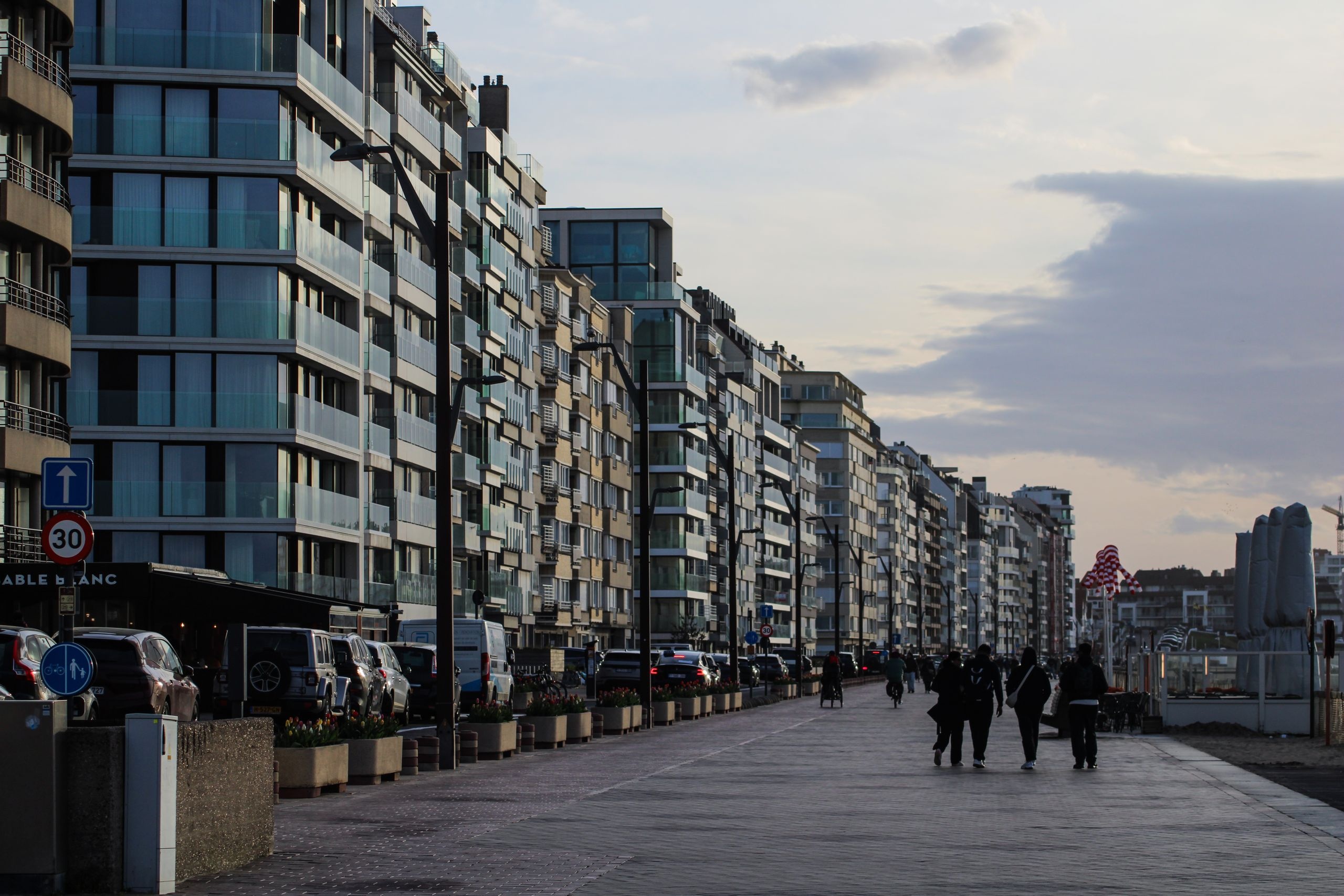
This article follows my editing sequence: find the break, choose suitable reference photographs, and then decide whether a moving cutaway is needed. I first resolve what I can in the edit.
The images and videos here are references for lighting, composition, and movement. They are neither Kling 4.0 generated samples nor records validating model performance.
Before saying, “I reached the coast and finally felt calm,” there should be some sense of a process. Footsteps, roadside shadows, or a pause may suffice; every street does not need to appear.
I first arrange the actual shooting order and mark approximate locations and times. Separating shots that explain the route from shots that establish atmosphere prevents me from confusing their roles.
Concrete details about the route, weather, and visit still come from accurate footage, maps, or text. An added atmospheric shot does not pass as a location record.
A beautiful landscape alone may not connect easily to everyday narration. A curb, window frame, chair back, or backpack can make the view feel like something someone saw while standing there.
These ordinary objects also help reveal spatial changes. A slight camera move makes the relationship between foreground and background easier to inspect than an entire frame of clouds.
“Keep the curb, bicycle rack, and distant scenery in their positions. Move the camera slightly forward; leaves respond gently to a breeze and the light stays steady. Remain within the existing scene, without adding buildings or people.”
This description states an intention, rather than guaranteeing accurate spatial reconstruction. I still check the bicycle rack, railings, and tree trunks in the output.
Footage can cut a little faster while the narration describes busyness, then settle into a stable view when it describes stopping. Rhythm begins with editing, without adding a fast push to every generation task.
I first rearrange the existing shots, try bringing sound in earlier, and try a brief pause. If the gap is already resolved, I do not generate more.
“Preserve the shoreline and horizon from the photograph. Keep the camera fixed, with gentle continuous movement on the water and steady evening light. Foreground objects remain still. End with a quiet pause and no sudden zoom.”
Afterward, I first inspect the shoreline for distortion and the waves for sudden direction changes, then decide whether the pause suits the narration. Attractive highlights cannot replace a spatial check.
Solo footage often includes its own location sound: footsteps, distant traffic, or wind against clothing. It may be imperfect, but it carries clues about the real space.
I listen for parts worth preserving. Sound can continue briefly across a cut between two images and soften the transition. When foley is needed, I match the action and distance.
Sound cannot conceal an incorrect image. Strong wind over motionless trees, or crashing surf over calm water, makes atmosphere and picture conflict.
The added view should resemble the original footage too. I follow its handheld grain, color temperature, and contrast, avoiding a sudden shift to unusually sharp studio imagery.
When the video introduces a real location, I explain its synthetic or reconstructed portions clearly. I would rather viewers recognize a visual supplement than mistake it for a location record.
After editing, I watch from the beginning and temporarily ignore which tools made which clips. I judge where to return to the speaker and where to allow more quiet by the whole video.
However attractive a generated cutaway is, I keep it as an alternative if it disrupts the original rhythm of daily life. Time spent does not make inclusion mandatory.
With a rough cut ready, I can try one small transition in the online workspace. Before submitting, I check the model, permissions, and current cost, then see whether a short sample connects before deciding to continue.
What I want to add is the time viewers need to move from one thought to the next, rather than more scenery.
Hello! It looks like you're interested in this conversation, but you don't have an account yet.
Getting fed up of having to scroll through the same posts each visit? When you register for an account, you'll always come back to exactly where you were before, and choose to be notified of new replies (either via email, or push notification). You'll also be able to save bookmarks and upvote posts to show your appreciation to other community members.
With your input, this post could be even better 💗
Register Login